 CARIBBEAN WATERTITE SALES CORP
Solutions
by problem
Identify your surface problem and see how the Con-Creto products solve it.
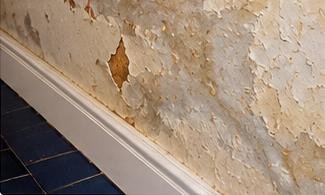
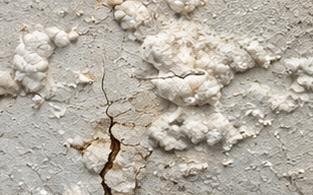
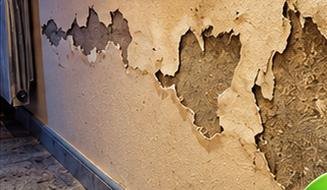
Problems caused by moisture
Moisture is behind most of these problems. First find where it gets in.
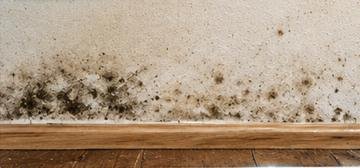
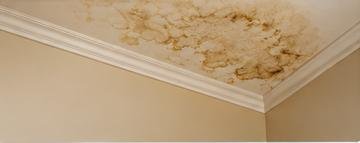
How it is solved
Find the source
A leaking pipe or a poorly sealed window. Fix it first.
Scrape
Remove as much as you can from the affected area.
Apply
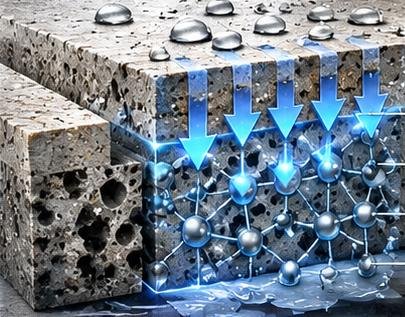
Spray the Molecular Sealer with a sprayer.
Wait and paint
24 to 48 hours for regular paint; 72 hours for epoxy or silicone.
It works on plastered masonry. It is not effective on unplastered block, because the pores are too large.

Carbonation: a silent enemy of concrete
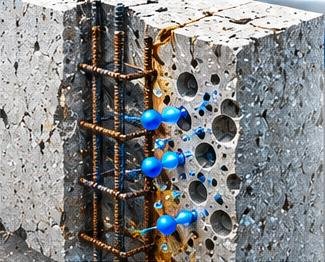
CO₂ from the air enters through the pores and capillaries and reacts with the calcium hydroxide in the cement.
Chlorine bleach speeds up the breakdown of concrete and lowers its pH. Avoid it.
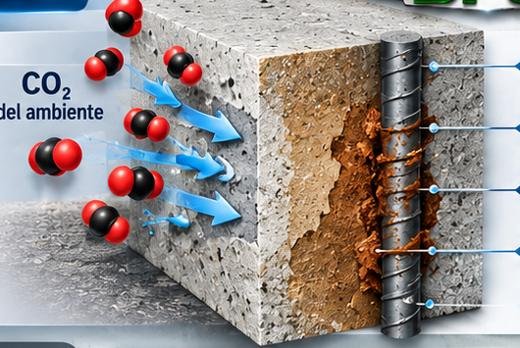
Effects of carbonation
pH reduction
Loss of the alkalinity that naturally protects the rebar.
Increased porosity
Makes it easier for chlorides, water and other aggressive agents to get in.
Rebar corrosion
Cracks, spalling and loss of strength.
How Molecular Sealer DPS helps
It does not repair rebar that is already corroded: it stops moisture to slow the process.
ASR damage (alkali-silica reaction)
When cement alkalis react with reactive silica, an expansive gel forms that causes cracking and deterioration. It is known as “concrete cancer”.
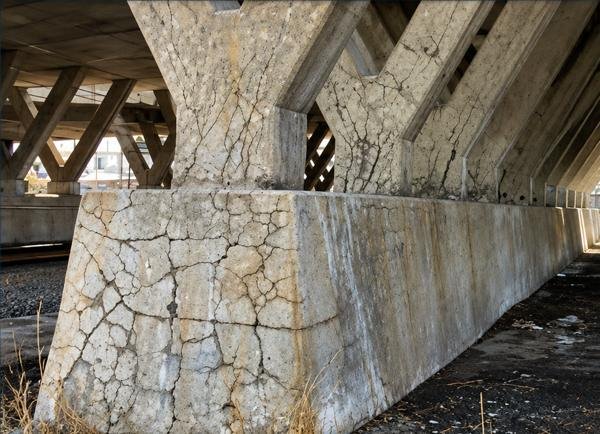
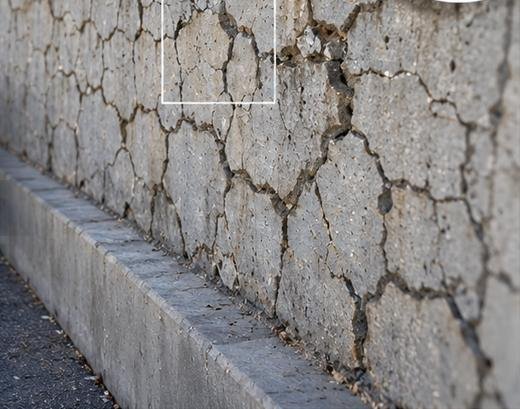

ASR process

1. Cement alkalis react with reactive silica.
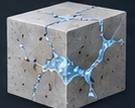
2. An expansive (hygroscopic) gel forms.

3. The gel absorbs water and expands.
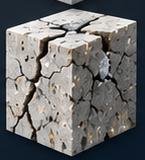
4. It causes cracks, spalling and deterioration in the structure.
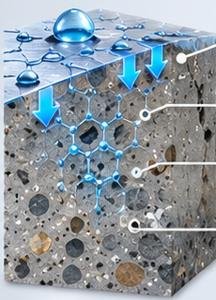
Prevention and solution
It works best when applied in time. If the damage is already advanced, it may be too late.
Floors, moisture, pH and dust
A hidden problem. A real cost.
Moisture-related floor coating failures cause over $1 billion in damage every year.
Source: Star Commercial Flooring.
Concrete dusting keeps paints and coatings from sticking. The sealer stops it so you can coat the surface.
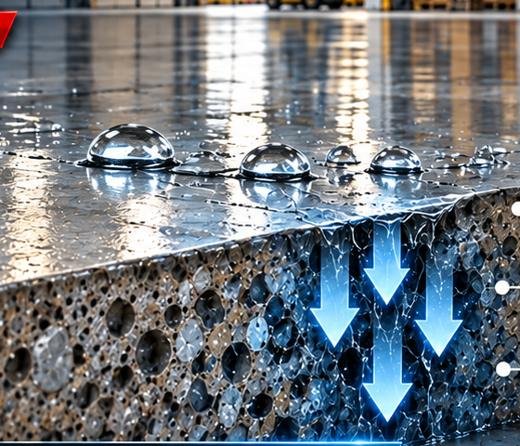
Basement sealing
In below-grade structures with moisture problems, apply from the start and avoid headaches later.
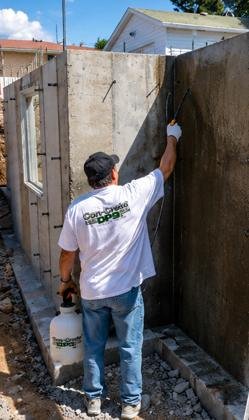
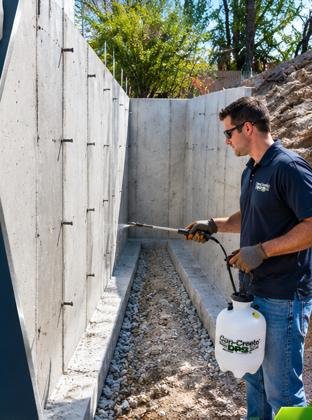
Existing structures
Extend the service life of concrete structures in sound condition and avoid major repairs.
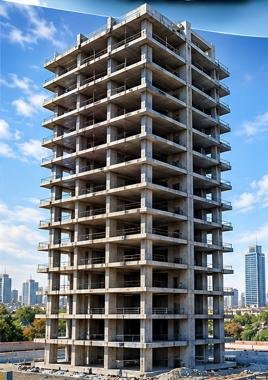
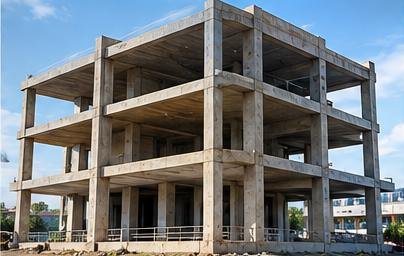
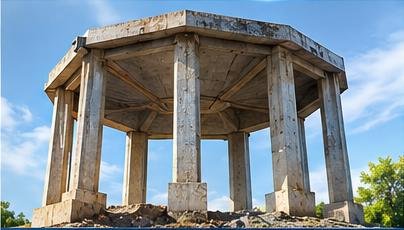
An engineer should assess whether the concrete is suitable. If it has already lost its alkalinity and is too porous, the product will not work.
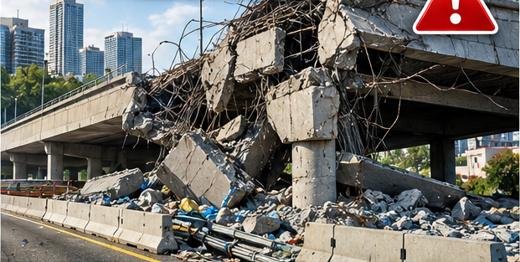
Before this happens
Timely maintenance costs far less than repairing or rebuilding.
Request your quote
Tell us about your project and we will reply soon.